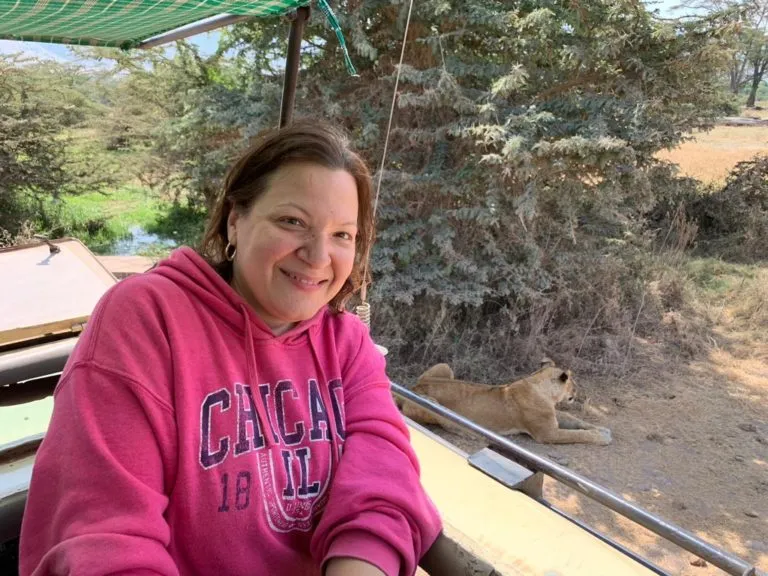
Recently, I had the opportunity to share my story on a podcast. I spoke about how I got here, the work we do at LSC, and the experiences that shaped how I approach fund development today.
One of the most important lessons didn’t come from business school or a corporate environment.
It came from community organizing.
Before I ever led a company that would go on to help raise millions of dollars, I was in spaces where resources were limited—but relationships were not. What I learned in those rooms continues to shape how I think about revenue, referrals, and long-term growth.
Because money doesn’t move in isolation.
It moves through people.
How Money Actually Flows in Communities
In community organizing, you quickly learn that no single institution operates alone.
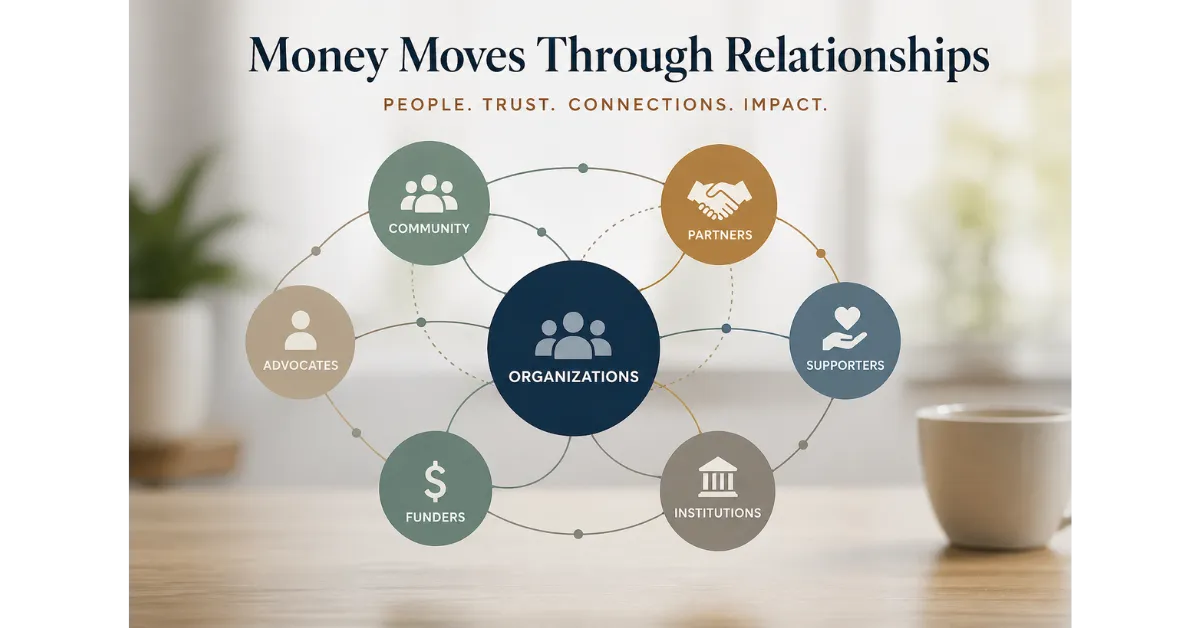
Funding decisions are influenced by a network of stakeholders:
- Community leaders
- Nonprofit organizations
- Government agencies
- Foundations
- Local businesses
- Residents and advocates
Each of these groups holds a piece of the puzzle. Each has influence. Each has relationships that shape where resources go and why.
When you understand this, you stop thinking about funding as a transaction.
You start seeing it as a system.
And more importantly, you begin to understand your role within that system.
The Same Is True in Business Development
What I shared on the podcast—and what I’ve seen play out time and time again—is that growth doesn’t come from chasing every opportunity.
It comes from being in the right relationships.
Referrals. Introductions. Strategic partnerships. Trusted networks.
These are not “nice to have.”
They are the foundation of sustainable revenue.
In fact, some of the most aligned opportunities we’ve had at LSC didn’t come from cold outreach. They came from people who understood our work, trusted our approach, and saw a clear connection between what we do and what their network needed.
Why Relationships Outperform Tactics
It’s easy to get caught up in tactics like email campaigns, outreach lists, and proposals sent into the void.
But without relationships, those efforts often fall flat.
Relationships do three things that tactics alone cannot:
- They Create Trust Before the Conversation Begins
When someone refers you, you’re not starting from zero—you’re starting with credibility. - They Shorten the Decision-Making Process
Aligned referrals reduce friction. There’s already a level of confidence in your ability to deliver. - They Keep You Top of Mind
When you consistently show up in your network, you become the person people think of when the right opportunity arises.
Building Community Is a Strategy
This is where many organizations—both nonprofit and for-profit—miss the mark.
They focus on visibility without connection.
Outreach without relationship.
Activity without alignment.
But building community is not a side effort. It is the strategy.
It looks like:
- Investing time in key relationships, even when there’s no immediate transaction
- Being clear about who you serve and how you create value
- Staying engaged in networks where your ideal clients and partners already exist
- Following up consistently and with intention
And most importantly, it requires patience.
Because just like in community organizing, trust is built over time, and when it’s there, it moves things forward in a powerful way.
From Community to Revenue
At LSC, we’ve seen firsthand how strong relationships translate into meaningful opportunities.
Not just more work, but the right work.
The kind of partnerships where:
- Expectations are clear
- Values are aligned
- The focus is on long-term impact, not short-term transactions
That’s where real growth happens.
A Final Thought
If you’re thinking about your next phase of growth, I would challenge you to shift the question from:
“How do we serve more people?”
to
“Are we in the right relationships to sustain and scale our services?”
Because serving more people requires more than capacity, it requires access to the right funding, the right partners, and the right advocates.
And all of that lives within relationships.
When you understand how money flows and intentionally position your organization within those networks, you stop operating from a place of scarcity.
And you start building the kind of support system that allows your impact to grow with stability and purpose.
How We Support This Work
At Lydia Sierra Consulting, we help nonprofit leaders position their organizations for funding within the broader ecosystem of stakeholders that influence resource flow.
Through strategic prospect research, compelling proposal development, and reliable contract management, we ensure our clients are not only prepared but also connected to the right opportunities.
Schedule a consultation to explore how we can support your next phase of growth.