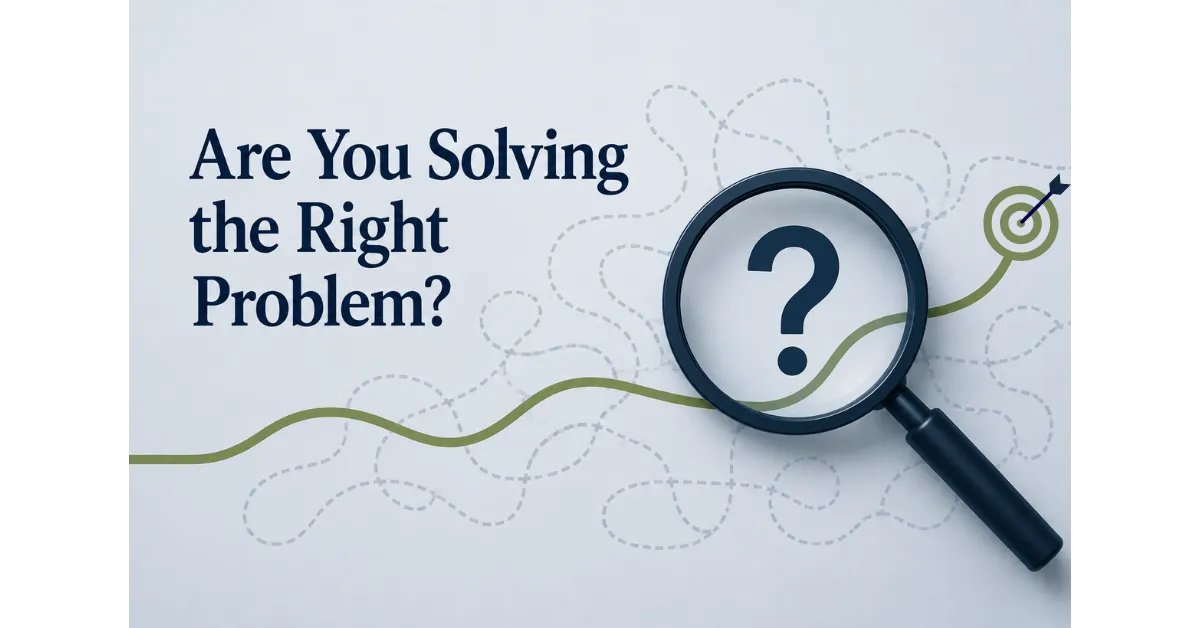
Over the years, I’ve had nonprofit leaders come to me convinced they needed more grant writing capacity.
Sometimes they do.
But after looking more closely at their funding pipeline, programs, internal systems, and organizational goals, we sometimes reach a different conclusion.
They don’t necessarily need to submit more proposals. They need greater clarity about which opportunities are worth pursuing, which projects are ready for funding, and whether their organization has the capacity to manage what they’re trying to win.
That distinction matters.
At Lydia Sierra Consulting, proposal development is certainly part of our work. But some of the most valuable conversations we have with clients happen long before anyone begins writing.
More applications don’t necessarily mean more funding
Nonprofit leaders are operating in a difficult environment.
Government funding is complex. Foundation priorities shift. Organizations are managing increasing costs and growing community needs while their teams are already stretched.
When revenue becomes uncertain, applying for more grants can feel like the logical response.
But every grant opportunity comes with a cost.
There is the time required to understand the guidelines, develop the project, assemble partnerships, prepare a budget, collect supporting documents, write the proposal, coordinate internal reviews, and complete the submission.
And if you win, your organization has to be prepared to manage the award.
That’s why one of the first questions we ask isn’t simply, “Are you eligible?”
We want to know whether the opportunity makes sense.
How closely does it align with the organization’s mission and priorities? How competitive are we? Is the project ready? What will it take from the team to develop a strong application? And if the funding is awarded, does the organization have the infrastructure to manage it successfully?
We have advised clients not to pursue opportunities when the potential return didn’t justify the organizational effort.
I consider that good fund development.
A strong proposal begins before the writing
One of the things I have learned through this work is that you cannot write your way out of an unclear strategy.
A skilled proposal writer can develop compelling language, but they still need a strong project behind it.
What problem are we solving?
Who will benefit?
What specifically will the funding make possible?
What will success look like?
Why is this organization positioned to do the work?
And perhaps most importantly: Does this project advance where the organization is trying to go?
Answering those questions often requires more than the development team.
Program staff understand the work. Finance understands the numbers. Executive leadership understands the organizational strategy. Community partners may bring expertise and credibility that strengthen the proposed approach.
Our job is often to bring those pieces together and translate them into a fundable project and a competitive proposal.
That’s very different from simply assigning someone a grant to write.
Winning larger grants can expose organizational weaknesses
This is something I don’t think we talk about enough in our sector.
Organizations understandably want to grow their revenue. But growth creates demands of its own.
A significant government award, for example, can bring complicated contracting requirements, reimbursement schedules, reporting obligations, financial controls, performance measures, partnership agreements, and compliance requirements.
Winning that funding without the infrastructure to manage it can put tremendous pressure on an organization.
Fund development therefore cannot be separated from organizational capacity.
As organizations pursue larger and more complex opportunities, leadership needs to consider whether finance, programs, operations, development, and executive leadership have the systems and communication structures necessary to support that growth.
Sometimes preparing an organization to receive funding is just as important as preparing the proposal that wins it.
Your team cannot pursue everything
I’ve also become increasingly convinced that one of the most valuable things a fund development team can bring to an organization is discipline.
There will always be another grant opportunity.
That doesn’t mean you should pursue it.
The question is whether it deserves your organization’s time and attention compared with everything else in your pipeline.
A smaller, well-aligned foundation proposal may require one level of effort. A large government opportunity involving multiple departments, technical partners, a complex budget, and significant reporting requirements requires something entirely different.
Organizations need to know where to concentrate their resources.
That means looking at the potential award, strategic importance, probability of success, level of effort, organizational readiness, and long-term value—not simply the application deadline.
For nonprofit leaders already operating with limited capacity, this kind of prioritization is essential.
The best external partner should make your organization stronger
This has become increasingly important to me as we’ve grown Lydia Sierra Consulting.
I don’t want our clients to become dependent on us.
I want them to become stronger because we worked together.
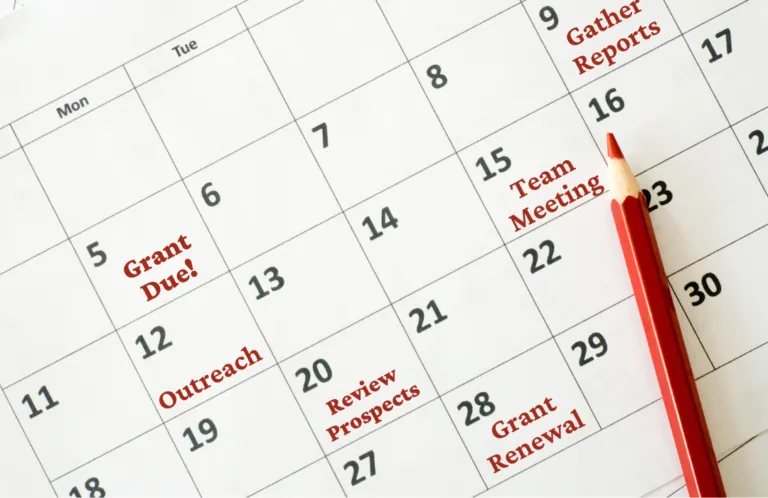
That might mean developing reusable proposal language and assets. It could mean creating a more disciplined grants calendar, improving workflows between development and finance, strengthening prospect intelligence, helping leadership shape fundable projects, or transferring knowledge to internal staff.
And as organizations grow, the right structure may change.
An organization may eventually need more internal development leadership or grants management capacity while continuing to use specialized external support for particularly large, technical, strategic, or government opportunities.
That’s a healthy evolution.
The question shouldn’t be, “How do we keep outsourcing this forever?”
It should be, “What combination of internal capacity and specialized expertise will best support where we’re going?”
So, do you need another grant writer?
Maybe.
But before making that decision, I would look more broadly at your fund development operation.
Look at the opportunities you’re pursuing.
Look at the projects you’re trying to fund.
Look at the amount of organizational effort going into your applications.
Look at what happens after you receive an award.
And look at whether your current approach is building the capacity your organization will need two or three years from now.
You may discover that you don’t have a writing problem.
You have a strategy problem.
Or a prioritization problem.
Or a capacity problem.
And once you understand which problem you’re actually trying to solve, you can make a much better decision about what kind of support you need.
At Lydia Sierra Consulting, our work sits at the intersection of organizational strategy and fund development. We help nonprofit organizations evaluate funding opportunities, shape fundable projects, pursue complex private and government funding, and strengthen the systems and capacity that support sustainable growth.
Since 2021, our team has helped nonprofit organizations secure more than $47 million in funding for work that strengthens communities.
But the number I care about most isn’t simply how much we’ve helped raise.
It’s what that funding makes possible.
If these are questions your organization is wrestling with as you plan for 2027, I’d be glad to have a conversation.
Let’s make sure you’re solving the right problem before you start writing the next proposal.